Comment Re:No.... (Score 1) 83
Which doesnt “fix” the underlying issue - the browser is leaking data about you against your knowledge and permission.
That sounds like a flaw in the browser. That should probably be fixed.
Which doesnt “fix” the underlying issue - the browser is leaking data about you against your knowledge and permission.
That sounds like a flaw in the browser. That should probably be fixed.
You can piggy back on the civilian infrastructure without ever exposing devices - just require all devices to access anything beyond the local network via a specific router, which pushes all traffic over a VPN, and nothing goes out over the naked internet as its all dropped if its not going over the VPN. Then all you need to ensure are thoroughly audted and hardened are those routers - everything else cant hit the internet.
Im intimately familiar with range-payload charts.
You have to take my sentence as a whole - I say that its both low density and premium heavy. The low density is because of the range-payload drop off, the premium heavy is because Qantas will make more money with the premium cabin, so thats where the bulk of the weight allowance goes.
The airlines reputation isnt going anywhere, DVT is a known risk on a lot of long haul currently in operation, yet you dont hear anything about airlines getting negative PR about it. This route will be no different. Its a bit longer, but not massively.
Qantas already have it set at around 40% premium seating, with around 140 economy or economy plus seating at 33 inch pitch, and 98 premium seats (first, business and premium economy).
Its a low density, premium heavy cabin precisely because thats what the route demands - they have structured it around what premium seating they can fill, and what economy they might fill. Its no secret that airlines make almost all of their passenger profit from premium seats, and economy is often just about break even, so theres no point in cramming more economy in for this route.
Yes, its a stunt - but it also shows off the capabilities of the aircraft perfectly.
Boeing dis something wimilar years ago with the 777.
Then the health issues are on the passenger in that case, the airline provided facilities to use but the passenger chose to not use it. But the facilities were provided, thats the important thing.
Its a route proving flight, part of the A350-1000ULRs certification - and Toulouse is Airbuses biggest base of operations, where the A350 production line is based.
The aircraft was going there to be painted and handed over to Qantas after certification is granted.
When it goes into airline service, Qantas will be flying it from Melbourne and Sydney to London Heathrow.
The final cabin layout when this route starts in customer service will be significantly premium heavy with less economy than normal, and has standing exercise areas for all cabins, so you are encouraged to get up and stretch your legs.
US centric, so this wont be coming to the rest of the worlds Youtube subscribers
I bought a Ford F-150 XLT (the full-hybrid pickup) and was very disappointed to find that several of the features (Including Blue Cruise and navigation) were subscription-based with an initial free period of a year or so.
Other than that the vehicle is fantastic - but was very pricey when I bought it, so having to pay over and over for the features was a very annoying surprise. (They quit working rather than quit updating when the subscriptions run out.)
... a bunch of cancer progression theories based on cell culture progression had to be thrown out when it was discovered that the cultures were being contaminated by a particularly robust and aggressive cancer cell culture, HeLa, which had contaminated lab equipment like environmental chambers or survived equipment sterilization and eventually took over culture lines in labs.
Yay, another system that *has* to work.
Just to avoid the fucking passengers taking some responsibility and listening to the damn safety briefing and taking a precious moment of their lives to understand it.
Wasnt there a SCOTUS ruling recently that ruled that agencies cannot enact their own rules, but can only enforce rules as laid out in law? And if Congress wanted the agency to enforce a rule, it should pass a law to that effect?
We all know that that was targeted at agencies like the EPA, FDA etc, to get rid of the agency-created limits on things, but it feels like it should equally apply here - the law says X, the agency cant change the law.
Most of the world is not Northern Canada, which must be where they got that number from. Maine averages 4.55 peak sun hours per day, and is the northereasternmost state in the continental United States. Even Washington state is at 3.95.
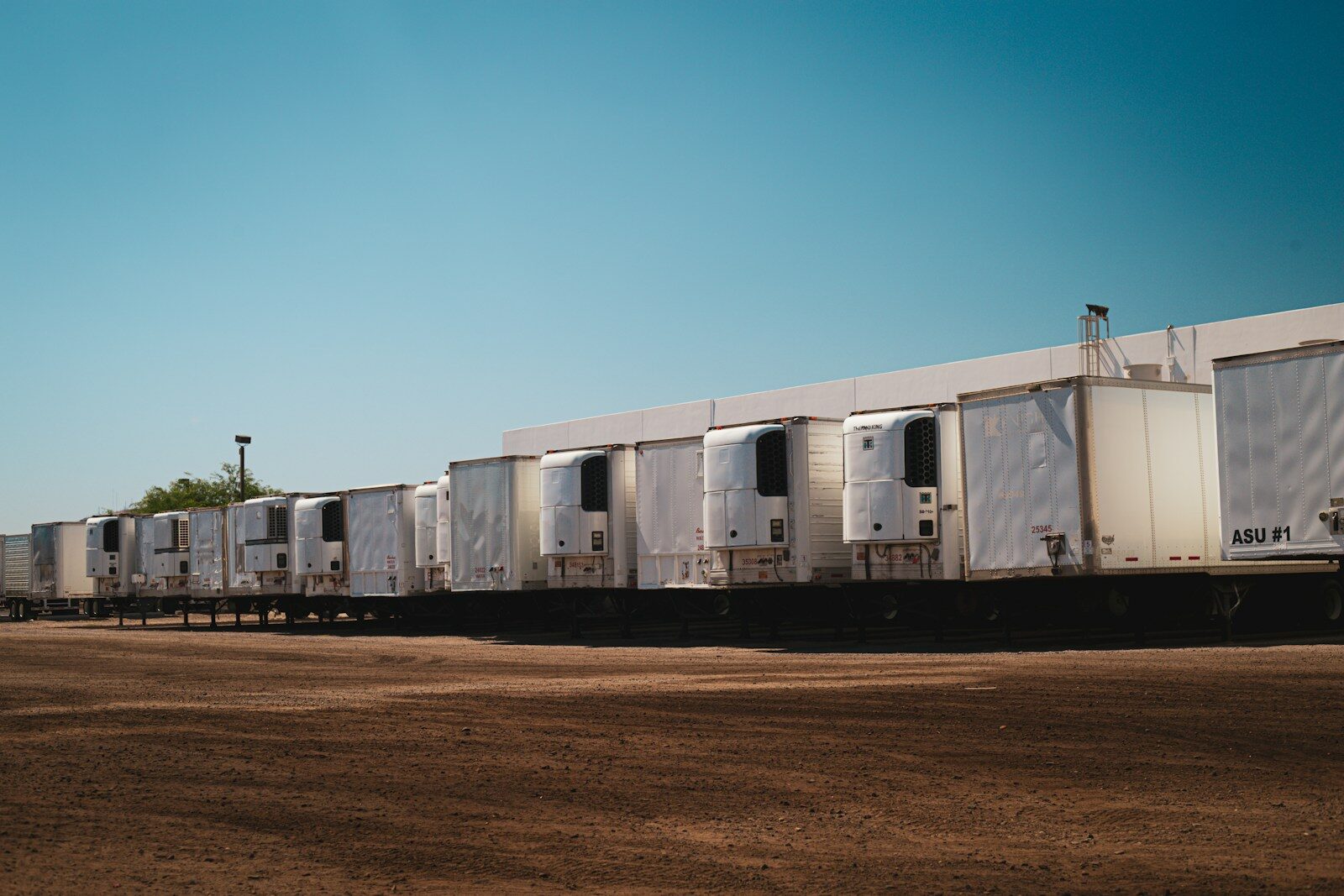
Solar panels: The roof of a trailer is about 450 square feet. In the northeastern U.S., you would average only 3.5 hours of full sun, so you'd get only a little over 13 kW per day.
So the solar generation function of a panel is no sun, no power, partial sun, no power, peak sun hours, full power.
Well, I guess that you're the expert.
So in an entire day, covering the entire roof of a trailer with solar panels would add a whopping 7 miles of range
Maybe that's enough to get you over a time zone or so so that you get an extra hour of "full sun"?
After all, it's not like trailers are ever sitting idle during loading, unloading, or waiting for loads. Always moving, doncha know.
"Nuclear war would really set back cable." - Ted Turner